Mega Man Dual Override Score System & Results Screen
Dual Override brings back scoring for the first time since Mega Man 1, with modern ranking factors.
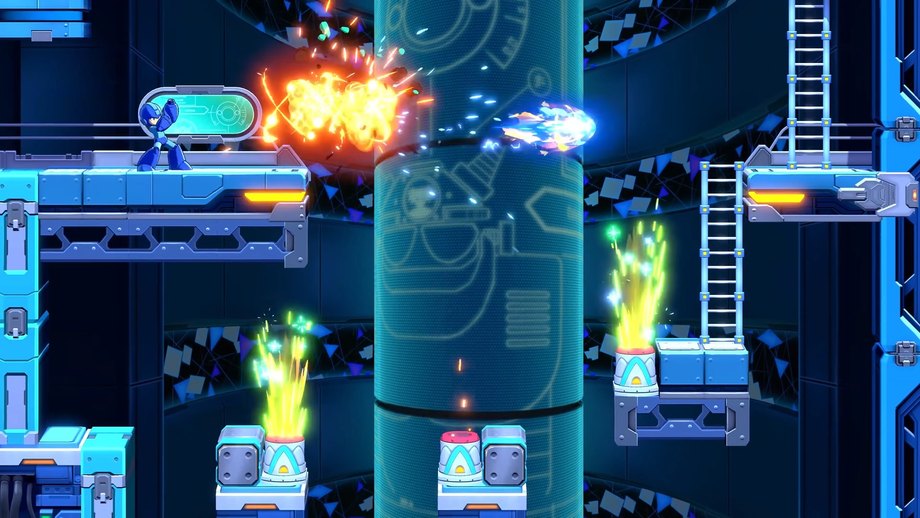
Dual Override marks the return of a proper score system to the classic Mega Man series. Capcom confirmed that each cleared area displays a results screen calculating a score based on completion time, damage taken, retries used, and consecutive enemy defeats. This is the first score and ranking system in the series since the original 1987 game.
Read this alongside the collectibles guide for Bolt pickup strategy and alongside the stage structure for how areas are divided.
What the results screen tracks
Based on hands-on previews and V Jump’s Gamescom reporting, the results screen calculates score from multiple factors:
Time — The clock starts when you enter an area and stops when you defeat the area boss or reach the checkpoint at the end. Faster clears mean higher time scores. This rewards route efficiency and pattern memorization.
Damage taken — Every hit you absorb reduces your score. The relationship is likely proportional: two hits cost more than one, but the exact formula is unpublished. This rewards precision and chip choices that reduce incoming damage.
Retries — If you use a checkpoint restart or a full continue, the retry count increases. More retries mean lower scores. This does not block progress, but it costs rank.
Consecutive enemy defeats and multiplier bonuses — V Jump noted that the combo chain affects score. Keeping a streak of enemy defeats without taking damage builds a multiplier. This rewards aggressive, precise play over passive safe routes.
Why this matters for 2027
Mega Man has been a finish-the-game franchise since Mega Man 2 made the series famous. Score systems reward replay, optimization, and speedrun engagement. For a game launching in the 40th anniversary year, adding scoring gives the most dedicated fans a reason to keep playing after the credits.
The leaderboard potential is obvious. If Capcom enables online score submission, Dual Override’s score system creates a post-game that does not require new content. Players compete on known stages.
The three-area scoring impact
Each area in Dual Override has its own results screen. That means you get three separate score tallies per Robot Master instead of one per stage. This amplifies the scoring system’s impact: a bad Area 1 can drag down your average even if Areas 2 and 3 are clean.
The practical effect is that you cannot coast through Area 1 anymore. In a traditional Mega Man stage, a rough start did not matter much if you recovered for the boss. In Dual Override, every area is a mini-game with its own grade.
Bolts and scoring
Bolts are separate from the score system. They are collectible pickups hidden in each area, not a scoring metric. The results screen tracks your Bolt count, but Bolts feed into the 2027 shop economy rather than the rank calculation.
This separation is important: score is about performance, Bolts are about collection. A perfect score run might skip Bolts for time. A Bolt-hunting run might accept a lower rank in exchange for full pickup completion.
How to practice
You cannot grind Dual Override yet, but you can practice the habits that score systems reward. In any classic Mega Man, time yourself. Count your hits. Note where retry screens appear and what they cost. The muscle memory for clean play translates directly.
Watch the direct feed gameplay and count how quickly the demo player clears each area. Note where they take damage and how that affects the visible results. When the final game ships, these are the inputs the results screen will use.
Comparison to other Mega Man scoring
Mega Man 9, 10, and 11 used versions of the results screen without a cumulative score or rank. Dual Override’s system is closer to the original Mega Man’s score counter combined with modern ranking tiers. The Result screen in Mega Man 8 also calculated scores, but Dual Override adds the combo multiplier and the three-area frequency that older games lacked.
The difficulty options page does not list score as a difficulty modifier. Scoring is always active in Dual Override regardless of which assist features are enabled.
Frequently Asked Questions
Quick answers pulled from Capcom's 2026 previews and official notes.
Is there a score system in Dual Override?
Yes. Capcom confirmed a results screen with time, damage, retries, and combo multipliers. This is the first proper score system since the original Mega Man.
What affects my score?
Completion time, damage taken, retries used, and consecutive enemy defeat streaks with multipliers.
Does each area have its own results screen?
Yes. Each of the three areas per Robot Master has its own results screen and score tally.
Are Bolts part of the score?
Bolts appear on the results screen but are separate from the score calculation. Bolts are collectibles for the shop economy, not a ranking metric.
Can I turn off scoring?
No. The score system is always active. Difficulty modifiers affect combat assist, not the scoring system.